
A permaculture design assistant helps you test a land-use idea before you spend money, dig trenches, or plant trees in the wrong place. It combines practical tools, ecological knowledge, and climate-aware checks so your project can grow with fewer costly surprises.
What is a Permaculture Design Assistant?
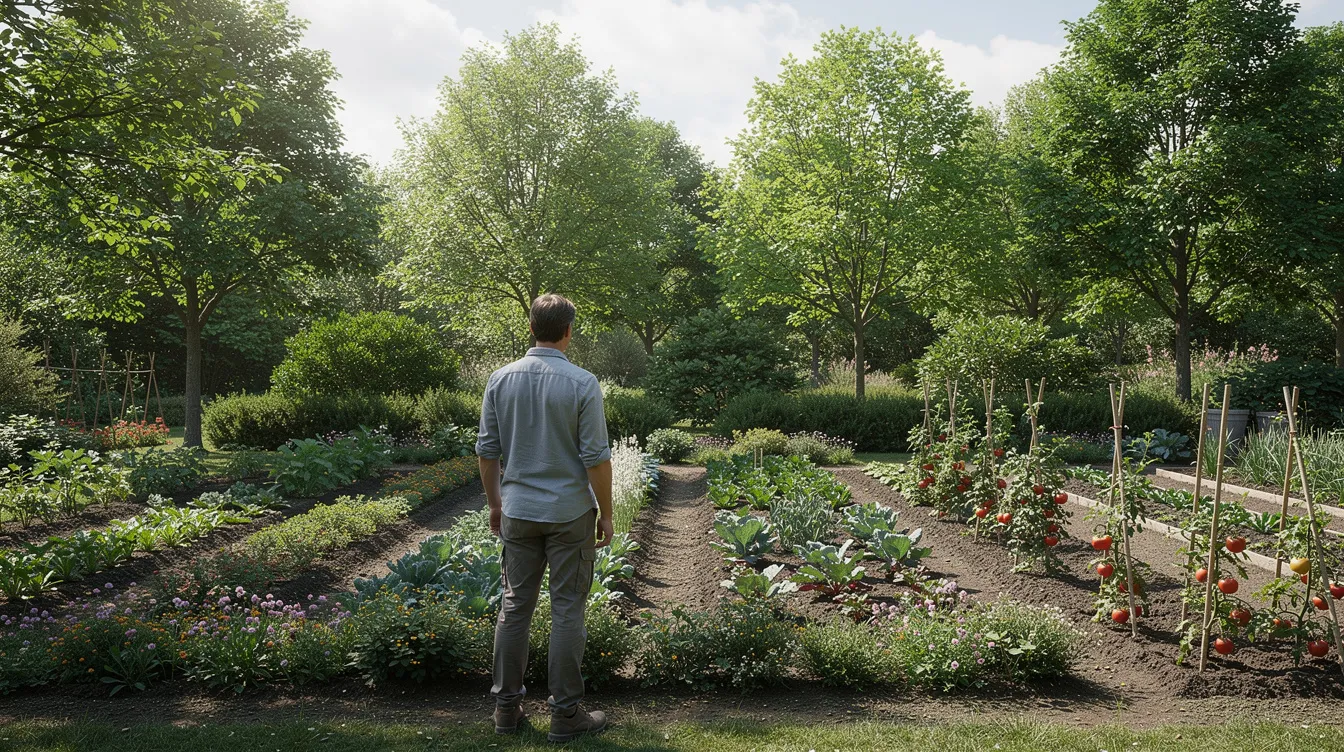
A permaculture design assistant is a practical decision-support system, not a generic gardening blog or a gallery of inspiration. It helps ecological planners survey, analyze, and map sustainable land-use projects.
It supports food, water, soil, habitat, and human-use planning through systems thinking and region-aware logic. Instead of saying “plant this here,” it asks what the site can realistically support.
The tool is useful for homesteaders, small farmers, urban growers, and land stewards planning long-term sites between 2024–2030. Unlike guru advice, it is focused on constraints, failure, feedback, and lifelong learning as conditions change.
Why Use a Permaculture Design Assistant Before You Start Digging?
Imagine a UK backyard orchard planted in spring 2025. Apple, pear, and quince trees go into heavy clay; winter rain waterlogs the roots, then summer heat scorches exposed leaves. By year two, the owner has lost plants, money, and motivation.
A permaculture design assistant lets you stress-test the idea first. It can flag flood risk, shallow soil, wind exposure, poor access, and water storage gaps before construction starts.
The benefits are practical:
- Save money on unsuitable plants, roots, pipes, tanks, and earthworks.
- Avoid 3–5 year mistakes, such as wrong rootstock or overcrowded guilds.
- Match species to microclimate, slope, shade, rainfall, and soil from day one.
In 2026, as more people in the UK and beyond shift toward low-carbon living, food resilience, and regenerative planning, careful support is crucial. Regenerative design focuses on creating systems that restore and enhance the health of ecosystems, rather than merely sustaining them.
Core Principles and Systems Thinking Behind a Permaculture Design Assistant
The philosophy is simple: work with nature, test assumptions, and design for change. Permaculture principles emphasize working with nature rather than against it, promoting sustainable and self-sufficient agricultural systems.
Systems thinking means water, soil, plants, people, wildlife, and labour are treated as one interacting structure. Integrating design elements in mutually supportive relationships enhances their functionality in permaculture.
Failure-first logic asks: “What breaks first?” and “Under which conditions does this stop working?” It should also encourage users to test water-management and earthworks assumptions before building. A fair design process includes drought, frost, pests, maintenance, and legal limits.
Region matters. Scotland’s temperate maritime climate brings wet summers, frost, and fungal pressure; southern Europe may head straight into drought stress. The assistant should encode boundaries such as minimum rainfall, maximum frost depth, slope risk, and local restrictions.
The 12 design principles established by David Holmgren serve as holistic thinking tools for permaculture design. Observing overarching patterns before focusing on specific details is essential in permaculture design, and observing and creatively responding to change is vital for adaptation in permaculture practices.
Knowledge Systems: How the Assistant Teaches Real-World Permaculture
A good permaculture design assistant is also an education system. It should contain modules on food forests, greywater, rainwater harvesting, composting, small livestock, balcony growing, and urban planning.
Each module should show how systems behave over 1, 3, and 10+ years. For example, a 7-layer food forest in Bristol started in 2022 might begin with mulch, shrubs, and pioneer species, then develop canopy, understory, ground cover plants, and vines over time.
A food forest is designed to mimic a natural forest and consists of multiple layers, including trees, shrubs, ground cover plants, and vines, which work together to create a balanced ecosystem. When creating a food forest, it is important to start with a clear goal, such as being more self-reliant, producing healthy food, or creating an income, as this will guide your design and plant selection.
The assistant should also correct weak advice. Swales do not suit every slope. Mulch does not instantly fix poor soil. Improving soil structure and fertility before planting is essential for a successful food forest, as it allows plants to establish better and thrive in the long term.
For research context, the UK 10-Year Forest Garden Trial followed eleven projects and recorded edible, social, and biodiversity yields. These examples help beginners build relevant experience through real stages rather than idealised theory, with some starter resources and learning materials available free through the assistant.
Decision Tools: Interactive Support for Your Site Design
This is where the permaculture design assistant becomes hands-on. You use calculators, maps, checklists, and simple templates to navigate choices.
A basic step by step guide looks like this:
- Define climate and site: rainfall, frost, slope, aspect, soil, access, wildlife.
- Set goals: harvest, biodiversity, water saving, income, cost, timeframe.
- Test candidate systems: food forest, raised beds, orchard, greywater, pond.
- Compare tradeoffs: labour, capital, risk, yield, maintenance, regulations.
Useful tools include:
Tool | What it helps you discover |
|---|---|
Water-budget calculator | Whether roof catchment and storage can cover dry spells |
Sun–shade analysis | Monthly shade from buildings, trees, and slope |
Soil health checklist | Texture, compaction, pH, organic matter, depth |
Wind and shelterbelt planner | Exposure, shelter height, and planting distance |
Yield–effort estimator | Expected food return versus labour and skills |
Developing systems that harvest and maximize resources at peak abundance for use during scarcity is a key permaculture principle. A permaculture approach also seeks to turn outputs into inputs to produce no waste.
Outputs should be ranges, risk flags, and “watch out for this” notes, not commands. Open-source contour, climate, and mapping data can help UK users create a clearer site plan without needing advanced qualifications.
Who a Permaculture Design Assistant Is-and Isn’t-for
A permaculture design assistant is for people planning something that must last. It suits a 5-acre smallholding in Fife, a 600 m² urban lot in Manchester, or a school garden started in 2026.
It is especially useful for:
- Homesteaders staying 10+ years.
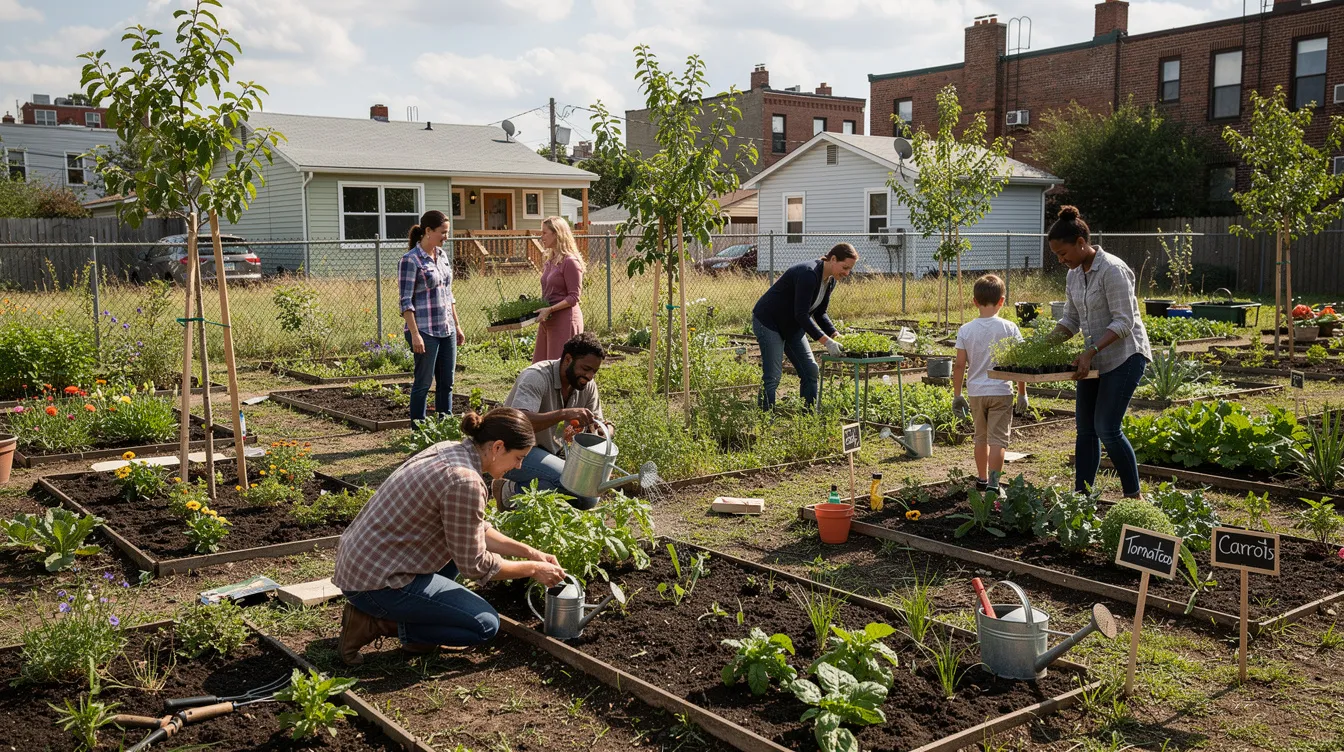
- Community garden coordinators and educators.
- Landowners facing ponds, swales, drainage, or other costly earthworks.
- Professionals, architects, contractors, and clients working on regenerative land development.
It is not for anyone expecting instant harvests, a “food forest in a weekend,” or trend-led design with no commitment to feedback. Is this you?
- Are you motivated to observe before acting?
- Are your priorities yield, resilience, ecology, and learning?
- Can you track results each season?
- Are you willing to adapt when the land disagrees with your first idea?
Step by Step Guide: How to Use a Permaculture Design Assistant on Your Own Site
Start with a complete site survey. Conducting a site survey is crucial for food forest creation; it involves analyzing elements like water situation, climate, soil, slope, and wildlife to inform the design process.
Then visit the site repeatedly. One of the key principles of permaculture is to observe and interact with the environment, allowing for a deeper understanding of natural processes and ecosystems.
Enter the data into the assistant, then set 3–5 clear goals: “50% of household veg by 2028,” “reduce mains water use by 40% within 3 years,” or “increase biodiversity while keeping maintenance under four hours weekly.”
Compare options: orchard versus savanna layout, raised beds versus in-ground, gravity-fed versus pumped irrigation. Creating food forest guilds involves combining a central tree with other plants that support each other, such as nitrogen-fixing shrubs and ground covers, to enhance productivity and ecosystem health.
Revisit the assistant in spring 2026, autumn 2026, and spring 2027. Use photos, rainfall notes, yield weights, pest records, and labour hours to create a feedback loop.

From Novice to Confident Designer: Building Relevant Experience
You do not need a degree to develop ability as a practical designer. You need observation, repetition, humility, and a way to turn scattered experience into knowledge.
A simple learning arc:
- Year 1: observe, map, run a small guild experiment, test compost, note failure.
- Year 2: scale what worked, improve irrigation, add perennials, refine access.
- Year 3: diversify, integrate animals if suitable, and improve energy, food, and income yields.
Design elements in permaculture should provide meaningful yields like food, energy, or income to sustain the system. Encouraging a diverse range of components in permaculture designs increases resilience against external shocks, and permaculture design encourages the use of diverse plant species to create resilient ecosystems that can better withstand pests and diseases.
The most productive areas in permaculture systems often occur at borders and intersections of two environments. Track those edges carefully: hedge-to-bed, pond-to-bank, sun-to-shade, house-to-garden.
Volunteering on a community project or taking a short course can accelerate your growth. It also gives you something to discuss in an interview if you later search for green careers.
Common Misconceptions and Hidden Pitfalls in Permaculture Design
Myth-busting matters because a beautiful plan can still fail. In 2026 and beyond, climate extremes make “copy and paste” design risky.
Common misconceptions include:
- “Any plant list online will work.”
- “More diversity is always better.”
- “Swales solve every water issue.”
- “Mulch fixes bad soil quickly.”
Hidden challenges include workload in years 2–4, slug pressure in wet Scottish summers, drought in southeast England, deer, neighbours, and planning rules. A strong permaculture design assistant asks uncomfortable questions about time, money, skills, water, frost, and failure.
Building in feedback loops and self-correcting mechanisms allows permaculture systems to learn from their mistakes. That is not pessimism; it is how resilient solutions are made.
Integrating Permaculture Design with Low-Carbon Lifestyles and Future Work
Regenerative design principles can be applied across various fields, including architecture, urban planning, and agriculture, to create sustainable and resilient systems. The Regenerative Design Lab has been exploring regenerative design in practice since 2022, involving professionals from various sectors including engineering and architecture.
That makes a permaculture design assistant useful beyond the garden. The same skills apply to community energy, district heating education, low-carbon retrofit, urban food networks, and regenerative agriculture.
For younger candidates, a home or school garden can become a living portfolio. It shows commitment, practical research, teamwork, and the ability to use tools effectively. It can also lead toward careers in environmental education, landscape support, ecological planning, or the wider green industry.
If you are passionate about climate, land, and useful work, this journey can shape your future. Expect ongoing development, because climate, policy, family life, and resources will change.
Next Steps: Putting Your Permaculture Design Assistant to Work
The promise is simple: make better, context-aware decisions before you invest.
Use this quick template:
- Define your site: climate, rainfall, frost, soil depth, slope, access.
- Set goals: food, water, biodiversity, money, timeframe.
- Choose one system to prototype, such as rainwater capture for 2026–2027.
- Run it through a permaculture design assistant.
- Start small, monitor, and adapt.
Schedule design reviews every March and October. Ask what worked, what failed, and what needs to change.
Permaculture is not a one-off project. It is a lifelong learning process built on observation, feedback, and practical action. Start with one manageable experiment this season, document it carefully, and let the land teach you what the next step should be.