
Heat network customer support matters because a shared heating system can be confusing when bills rise, hot water stops, or nobody seems sure who is responsible.
What is a heat network or district heating and how customer support should help you
A heat network, also called district heating or communal heating, provides heating to multiple homes or buildings from a central source. In the uk, many newer schemes are low carbon heating systems using communal heat pumps, energy-from-waste plant rooms, or recovered waste heat.
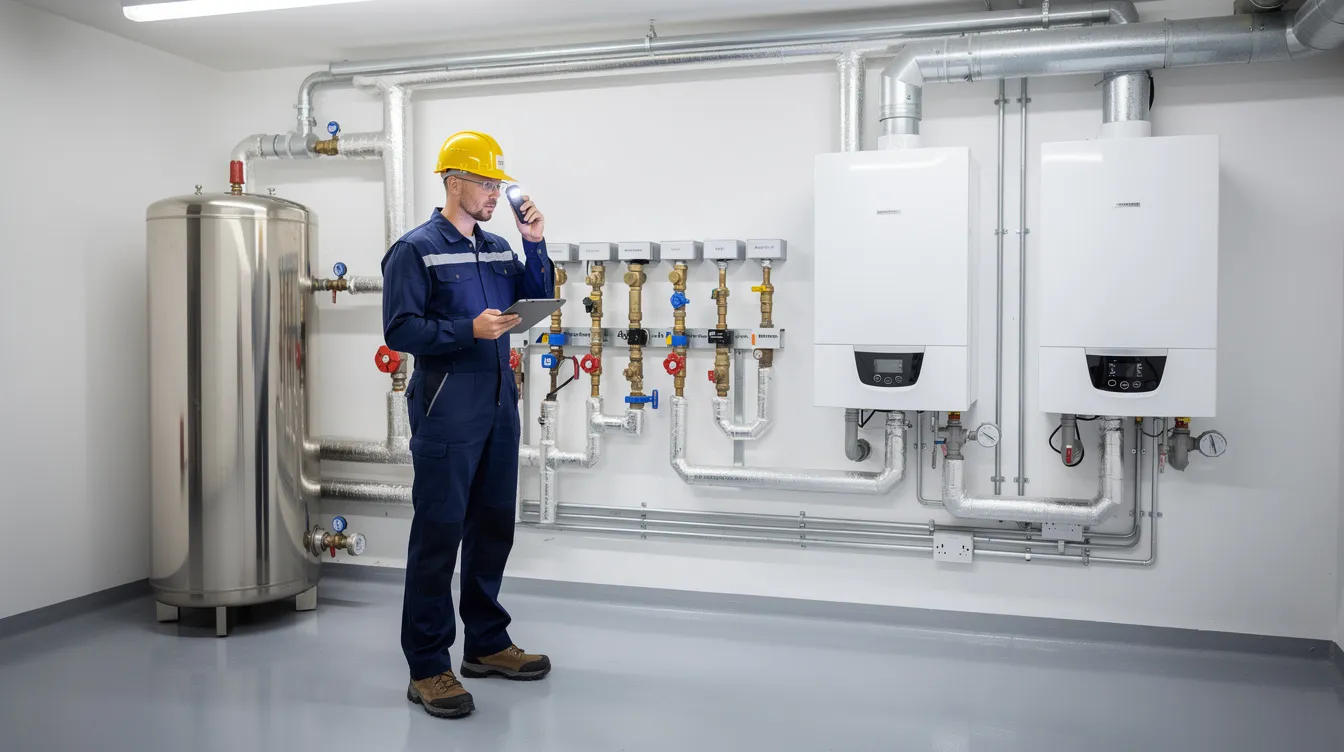
A typical network has a central plant room, insulated pipes, a Heat Interface Unit in each flat, and a heat meter. A Heat Interface Unit (HIU) controls the amount of heat entering your home and often resembles a gas boiler, but it is not connected to mains gas.
Common issues in heat networks include service interruptions, opaque billing, and poor temperature control. Good heat network customer support should explain bills, arrange repairs, respond during outages, and treat vulnerable customers fairly.
In the UK, heat network users are protected by Ofgem regulations requiring transparent billing, fair pricing, and reliable service. Heat network operators and suppliers are required by law to provide essential customer care frameworks, with stronger compliance rules arriving through 2024–2026 Ofgem guidance.
- Know your supplier, operator, landlord, and emergency contact.
- Keep bills, meter readings, photos, and every report.
- Ask for written advice if charges or services are unclear.
- Treat fast communication as best practice, not a bonus.
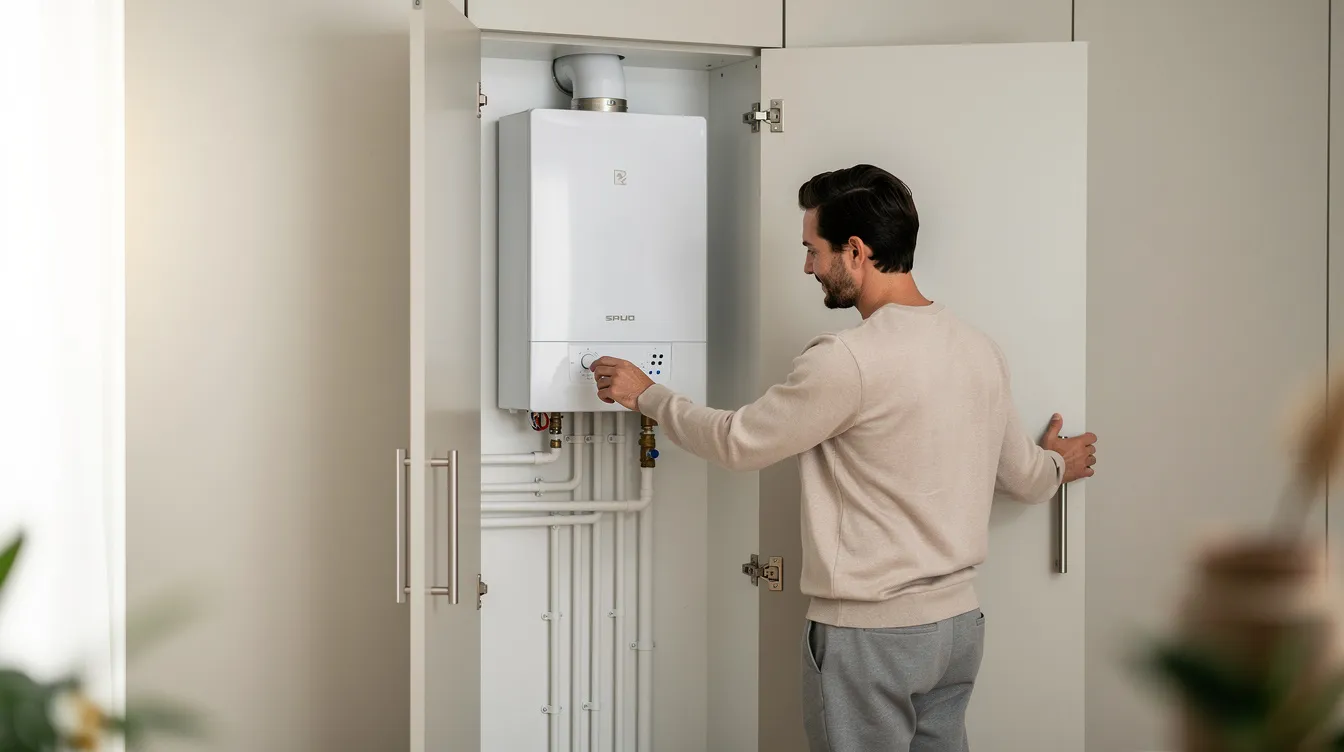
If you’re not sure whether your home is on a heat network
It matters because a heat network has different rules, costs, and support channels from gas or electricity. If you are unsure whether you are on a heat network, start by checking who you pay your heating bill to, as this can indicate your connection to a heat network.
Look for an HIU instead of a boiler, no gas meter in the flat, and a separate “heating and hot water” bill from a company other than your electricity supplier. This is common in new-build flats in Manchester, london, Glasgow, student accommodation, and council estates upgraded to low carbon heating systems.
Write to your landlord, managing agent, or housing association:
Dear [Name], please confirm whether heating and hot water at [address] are supplied via a heat network, and who the heat network operator is. Kind regards, [Name].
How your heat network bill is calculated
Heat network bills are not like individual gas boiler bills, so customer service teams must operate transparently regarding heating tariffs and provide energy-saving tips to consumers. Suppliers must explain how heating costs are calculated and provide clear, itemised annual bills.
If metered, your bill uses kWh from your heat meter or HIU, plus a standing charge for network maintenance, plant operation, contractors, and sometimes VAT. Without a meter, pooled supply may divide total building consumption by floor area, bedrooms, or historic use.
Heat usage is the energy you consume. Standing charge is a fixed daily cost. Unit rate is the price per kWh. Ask support to write the tariff per kWh, standing charge per day, bill period, and actual versus estimated readings.
If a meter fails, estimated bills may use historic data, then corrections should follow after repairs.
If you want to switch supplier or disconnect from the heat network
Unlike gas or electricity, you usually cannot switch heat network supplier because the network is a local monopoly built into buildings. Disconnection is often blocked by shared pipework, missing flues, planning rules, and lease terms.
Check your lease, tenancy agreement, residents’ handbook, or website page for buy-out fees. Put any request in writing to the building owner and operator, asking for costs, risks, and deadlines.
Example: in a 2025 low carbon development, residents may ask to install air-to-air heat pumps. Support staff should explain system balance, safety, delivery commitments, and consumer protection.
If you’re struggling to pay your heat network bills
Rising energy costs since 2022 have put pressure on household money. Before contacting support, check meter readings, compare units with last year, and confirm direct debit amounts against bills.
Contact heat network customer support early about payment plans, temporary reductions, hardship funds, Warm Home Discount on eligible electricity accounts, local council schemes, or Citizens Advice for free guidance.
Many suppliers now use vulnerability and affordability policies rather than rapid disconnection.
- £300 arrears could be spread over 12 months: £25 per month, plus ongoing usage.
If your heating or hot water stops working
Outages may affect one flat or the whole site. If your heating or hot water supply stops working, first determine if the outage is affecting other homes on the same heat network.
Note the exact date and time, check neighbours, and look for SMS, email, post, or noticeboard updates. Networks must have direct help lines to handle maintenance queries during unplanned outages.
The operator normally maintains the plant room, pipes, meter, and sometimes the HIU. Agents are required to keep consumers updated on repair timelines and provide emergency heating solutions during outages. Your heat network supplier should contact you or your landlord about an outage within 24 hours of it occurring.
Ask for portable heaters, shared showers, or safe hot water alternatives. Keep electricity readings if extra electric heating is used.
If the outage lasts more than 12 hours
Some networks follow Heat Trust standards. If the outage lasts more than 12 hours and your heat network is registered with Heat Trust, you should receive a Guaranteed Service Payment (GSP) automatically from your supplier.
GSPs are fixed payments over a threshold, sometimes capped yearly. Ask whether your network is registered, and request priority support if an older person, disabled customer, child, or health risk is affected. Keep written details of every promise.
Staying safe and warm during an outage
Wear layers, use hot water bottles, close curtains, and use electric heaters safely. Never use gas hobs or ovens for space heating because of carbon monoxide and fire risk. Check neighbours, especially isolated residents, until the service is reliable again.
If there’s a problem with your meter or Heat Interface Unit (HIU)
The HIU is your flat’s control point for the heat network. Problems include no hot water, uneven radiators, noisy pipes, leaks, and unexplained bill spikes.
Support agents can diagnose problems with Heat Interface Units (HIUs) remotely and dispatch maintenance teams to repair issues. They may log the fault, investigate remotely, send engineers, bleed radiators, test the meter, or replace parts.
Do not remove panels or attempt HIU repairs yourself. Ask for a written summary of test results and how incorrect bills will be refunded.
How to make a complaint about your heat network
You can complain if faults are not fixed, bills look wrong, or service falls below promised standards. Heat network users can access several layers of dedicated customer support, including supplier assistance, government-backed advocacy, and independent ombudsman services.
If you have a complaint about your heat network supplier, first check their complaints procedure, usually on their website. Start by phone or webchat, then make a formal written complaint.
When communicating with your landlord or supplier, clearly explain the issue and what resolution you are seeking, as they may be able to address your problem immediately during the conversation. Document the date and time of communication, plus conversation details.
When writing, include your name, address, account number, and case reference numbers. Gather supporting evidence such as photos, copies of bills, and notes of conversations. Expect acknowledgement within about 5 working days and a full response within 8 weeks.
Escalating to an independent body
Consumers dissatisfied with their supplier’s service can access free, independent advocacy. If unresolved after 8 weeks, or after a deadlock letter, escalate to the Energy Ombudsman, who provides a free, independent service and can issue binding decisions to rectify issues with suppliers.
Heat Trust members must allow ombudsman escalation; non-members may have different arrangements.
Priority support if you are vulnerable or need extra help
Vulnerability can involve age, disability, pregnancy, children under 5, long-term health conditions, or financial hardship. Suppliers are required to maintain a Priority Services Register (PSR) to assist vulnerable customers.
Tell your landlord and supplier, and ask how this will be recorded. If you pay electricity separately, sign up to your electricity supplier’s PSR too.
Accessible options may include large-print bills, translation, text relay, or a nominated contact. A company must not treat a person unfairly because they need extra support.
Working in heat network customer support: recruitment process, job description and skills
For careers in this growing industry, a 2026 Heat Network Customer Support Officer job description usually includes answering billing questions, logging faults, coordinating contractors, explaining technical issues, handling complaints, and updating customers.
Essential skills include empathy, clear speech, data accuracy, heating knowledge, ability to speak plainly, and awareness of consumer rules. Education requirements vary; school leavers can apply if they prove customer service practice, basic IT, and interest in climate change, the built environment, and innovation.
The recruitment process often includes an online application, short phone screen, scenario assessment, and interviews. A junior grade vacancy may show a salary range around £29K–£31K in cities such as Glasgow, with higher pay for team lead, compliance, planning, or project roles. Employers find candidates more valuable when they are proactive, reliable, able to pass checks, meet deadlines, and enhance services for clients. Family friendly policies may also shape whether an employer attracts strong candidates.
How strong customer support protects heat network users
Strong support reduces downtime, prevents billing disputes, and builds trust in low carbon heating systems. It is crucial for protecting customers while the uk decarbonises buildings in response to climate change.
Save your heat network customer support contact details, sign up for priority help if needed, and contact the team early whenever you have concerns. The engineering matters, but clear communication, fair complaints handling, and good records matter just as much for the rest of the network.