
A junior qa tester role is one of the most realistic first steps into the it industry for school leavers who like problem-solving, detail and technology. This research brief explains the day-to-day work, non-degree routes, salaries, employers, remote-first options and skills that make candidates stand out in Scotland and across the UK.

What does a Junior QA Tester do day to day in software testing?
A junior QA tester supports software testing and quality assurance across web, mobile and internal software applications, usually inside an agile environment. The key role is to help the development team deliver software quality before customers see defects.
Time | What happens |
|---|---|
09:00–09:30 | Review overnight CI/CD results in github actions or GitLab CI; spot flaky tests, failed builds and release risks. |
09:30–10:00 | Daily stand-up with developers, product owners and qa engineer colleagues. |
10:00–12:00 | Test Execution: following predefined test plans to perform manual and basic automated tests across different environments. |
12:00–13:00 | exploratory testing: experimenting with the software beyond expected user journeys to uncover obscure edge cases and unexpected behaviors. |
13:30–15:00 | functional checks, regression testing, user acceptance testing support and basic performance testing checks. |
15:00–16:00 | api testing in Postman, browser checks in DevTools, and test cases in TestRail, Xray or Zephyr. |
16:00–17:00 | Defect Tracking includes identifying and documenting bugs clearly by capturing exact steps to reproduce issues and attaching screenshots. |
Junior QA testers are responsible for executing functional, regression, and exploratory testing to ensure software quality. They are expected to design and maintain test cases and plans based on product requirements and engineering specifications, including acceptance criteria. Foundational Tool Familiarity includes basic proficiency with industry-standard testing and project management tools such as Jira and Postman.
Manual testing is still common at entry level, but automated qa testing grows quickly. Junior QA testers should be comfortable writing and maintaining automated test scripts and using defect tracking tools like Jira. Automated testing tools like Playwright, Cypress, and Selenium are commonly used to build and maintain automated test suites for software products. Integrating automated tests into the CI/CD pipeline is essential for continuous quality feedback during the software development lifecycle.
AI helpers can generate test data, draft test ideas or summarise logs, but humans still decide what matters. Analytical Thinking involves a methodical approach to troubleshooting and understanding complex software requirements. Attention to Detail is crucial for meticulous precision when following test scenarios and observing UI or functional defects. Communication Skills are important for writing clear, concise bug reports and relaying issues without causing friction within the development team.
How to become a Junior QA Tester without a degree (UK & Scotland)
If you are leaving school in 2026, you can enter software development and quality assurance without university. A solid grasp of the Software Development Life Cycle (SDLC) and Agile methodologies is necessary to understand how and when testing fits into the release process.
In Scotland, look at Skills Development Scotland apprenticeships: Modern Apprenticeships at SCQF Level 6–8 often run 12–24 months, while Graduate Apprenticeships in Software Development through providers such as Edinburgh Napier or University of the West of Scotland can take around four years. After successful completion, many apprentices move from technical support or junior testing into full software tester or qa engineer jobs.
Shorter routes include CodeClan-style software development or testing programmes of roughly 6–9 months, plus UK Skills Bootcamps in software development, test automation or data skills, commonly 6–12 weeks. A practical self-study path is:
- Learn HTML/CSS/JavaScript or Python.
- Build foundational knowledge of software testing methodologies, defect lifecycle, test plans and risks.
- Practise Selenium, Cypress or Playwright.
- Add Postman collections for api testing.
- Create GitHub repos that document your testing, automation and bug reports.
Target roles include junior QA tester, test analyst, software tester, junior qa engineer, customer support with testing responsibility, and similar jobs. Employers find non-grads attractive when they show hands on experience, persistence, portfolio work, practical evidence, proven experience and a proven track record rather than only certificates.
Qualifications and courses: ISTQB vs Google & Udemy for employability
UK hiring managers now expect some formal learning for tester jobs, even when a degree is not required. The ISTQB Foundation Level remains the strongest formal signal: it covers testing principles, design techniques, test management and common practices. In 2026, UK exam costs are typically around £200–£250, with 2–4 weeks of focused study.
Google Professional Certificates such as IT Support or Data Analytics are fully online, usually 3–6 months part-time, and help with reporting, data thinking and performance testing analysis. Udemy-style course options are cheaper and tool-specific: Selenium WebDriver with Java, Cypress with JavaScript, API testing with Postman, and JMeter or k6.
The best employability mix is ISTQB Foundation, one or two tool courses, and a portfolio. ISTQB helps with recruiter filters; Google and Udemy help you develop practical skills and familiarity with emerging technologies.
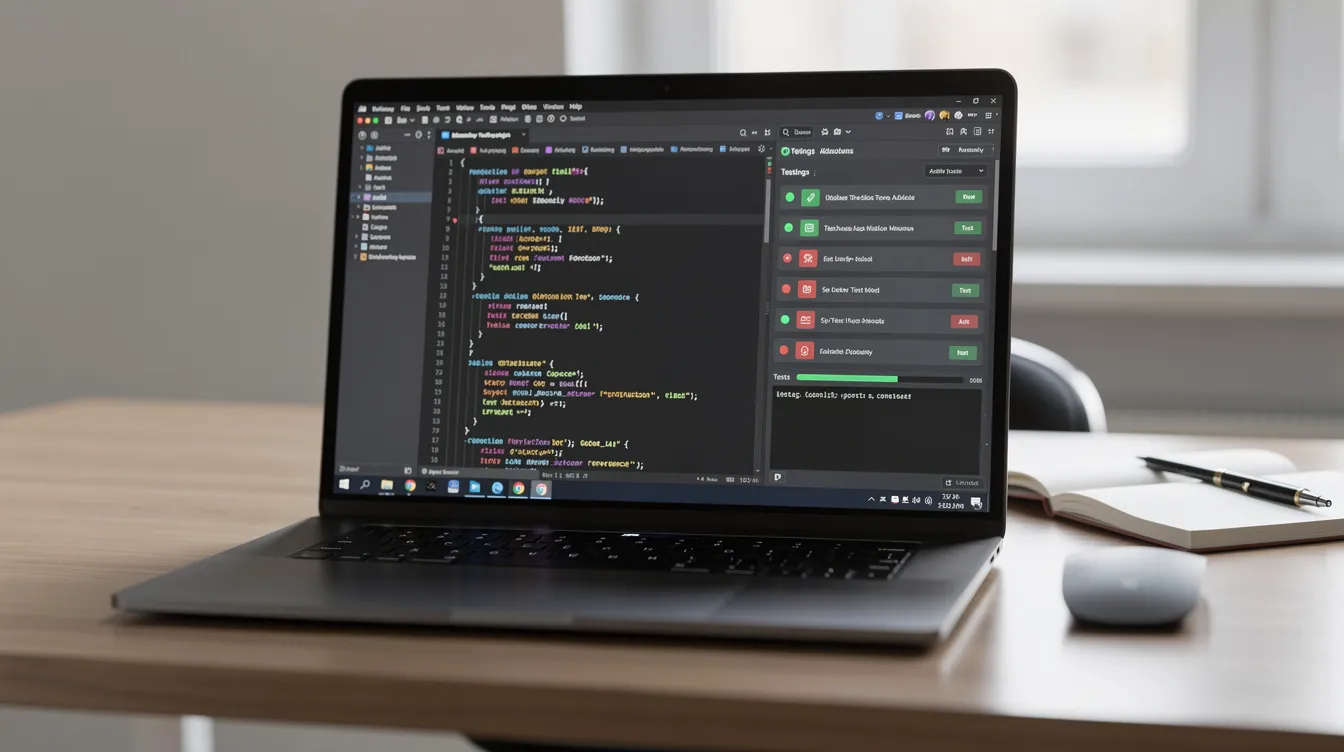
Entry-level salaries for Junior QA Testers in Scotland & UK (2026)
Figures below are 2026 market estimates for Glasgow, Edinburgh and remote-first UK roles open to Scottish residents. Public salary sources such as Glassdoor Edinburgh junior QA data show junior pay often clustering around the high-£20Ks to low-£30Ks.
Level | Scotland / UK guide |
|---|---|
Apprentice | £18,000–£28,000, depending on company and programme |
Manual junior QA | £23,000–£32,000; Glasgow/Edinburgh medians around £27,500–£31,500 |
Junior automation QA | £32,000–£38,000, higher in fintech, healthtech and regulated sectors |
Remote-first UK | £32,000–£42,000 for strong juniors with test automation and api testing |
Mid-level, 3–5 years | Often £42,000–£50,000 in Scotland |
Senior or lead, 5+ years | £52,000–£65,000+ in Scotland; £80,000–£90,000 possible in London/remote enterprise roles |
Pay rises with ISTQB, automation, performance, security awareness and experience in high-risk domains. Remote-first jobs may use UK-wide salary bands, so a Scottish resident can sometimes earn near-London rates while living in a lower-cost area.
Who hires junior QA tester jobs? Employer types & remote-first options
Junior QA testers are hired by product companies, consultancies, agencies, public sector bodies, start-ups and scale-ups. Edinburgh and Glasgow have a strong focus on fintech, gaming, public services, e-commerce and data platforms where reliability and quality matter.
Five UK employers known for non-grad-friendly tech routes include Barclays in Glasgow, Sky technical apprenticeships, Lloyds Banking Group in Edinburgh, Monzo remote-first operations and QA-related roles, and Jagex for gaming QA. Jagex-style roles can suit passionate gamers, mobile game testers or someone aiming to play a part in an elite team, though calling yourself a professionalgame tester is less useful than proving disciplined testing ability.
Public sector and large corporates may require basic dbs checks, especially when systems involve citizens or finance. Many offer hybrid or remote-first UK contracts with occasional meetups. Search job boards using “junior QA tester,” “software tester,” “test analyst,” “remote,” “Scotland,” and “other similar jobs” to keep vacancy data up to date.
Skills and tools, including test automation, that make a junior QA tester valuable
Progression depends on three areas: testing knowledge, technical tooling and soft skills. Core knowledge includes boundary value analysis, equivalence partitioning, risk-based testing, user acceptance testing, and the ability to track defects in a clear document.
Key tools include Jira or Azure DevOps, TestRail/Xray/Zephyr, Postman or Insomnia, Chrome DevTools, Git, github actions and GitLab CI. Automated testing methodologies involve creating automated test scripts that can be executed to validate software functionality, which helps in maintaining continuous quality feedback in development pipelines. The integration of automated tests into CI/CD pipelines is a common practice that enhances the efficiency of the testing process and ensures that quality checks are performed continuously during software development.
At junior level, performance testing may mean running simple load checks or reading reports from JMeter, k6 or Gatling while senior engineers design the approach. Employers pay more when a candidate can explain how testing protects customers, revenue, compliance and release confidence.
Challenges, misconceptions, and why QA and user acceptance testing can be a great career choice
QA is not “just clicking buttons.” Functional testing, regression testing, and exploratory testing are essential methodologies used to ensure software quality throughout the development lifecycle. Automated testing can include various types of testing such as functional, regression, and exploratory testing, which are crucial for ensuring software quality.
Hidden challenges include compressed release windows, repetitive checks, unclear requirements and the confidence needed to push back diplomatically. You are responsible for quality evidence, not just finding bugs after active development is finished.
Choose QA because demand is broad across industry, remote work is realistic, and the career can move into automation, performance, security, product, business analysis or test leadership. QA exposes you to the whole software development process and gives transferable benefits: communication, risk thinking and technical confidence.

Next steps: turning this research into an action plan
Pick one beginner language, schedule ISTQB study, choose one Postman course and one Playwright or Cypress course, then publish a small GitHub portfolio. Join apprenticeship alerts, check major UK job boards, and keep a dated record of salaries and requirements you see.
If you are 16–20, a junior qa tester role is attainable without a university background. Start small, test real software, write excellent bug reports, and show employers you can help their team deliver better software.